


Recently I watched the new Superman, and, while the animated dog was cute, I much preferred Lex Luthor's rage monkeys that populate the internet with his evil propaganda. When I hear the current discussions about the volume of "slop" and low-quality AI-generated content on the internet, I wonder why it remains shocking for folks in the content business to remember that the rage monkeys are part of the system.
The production of Lex Luthor's rage monkeys took significant human effort to develop. They went through the Warner Brothers scripting process (likely inspired by previously published DC Comics), into the production and animation process—optimistically a timeline of two to three years. Lex Luthor's rage monkeys predate the concept of AI slop even though they are slop, visualized, because slop and spam and artificial rage are condition inherent in the media ecosystem. I'd go further and say rage monkeys are originally a printing press problem, and not a digital media problem, but no one wants a dissertation... I'll save that for the next issue.
–DC
The Content Technologist's 2025 Holiday Gift Guide: It's all print, babe!
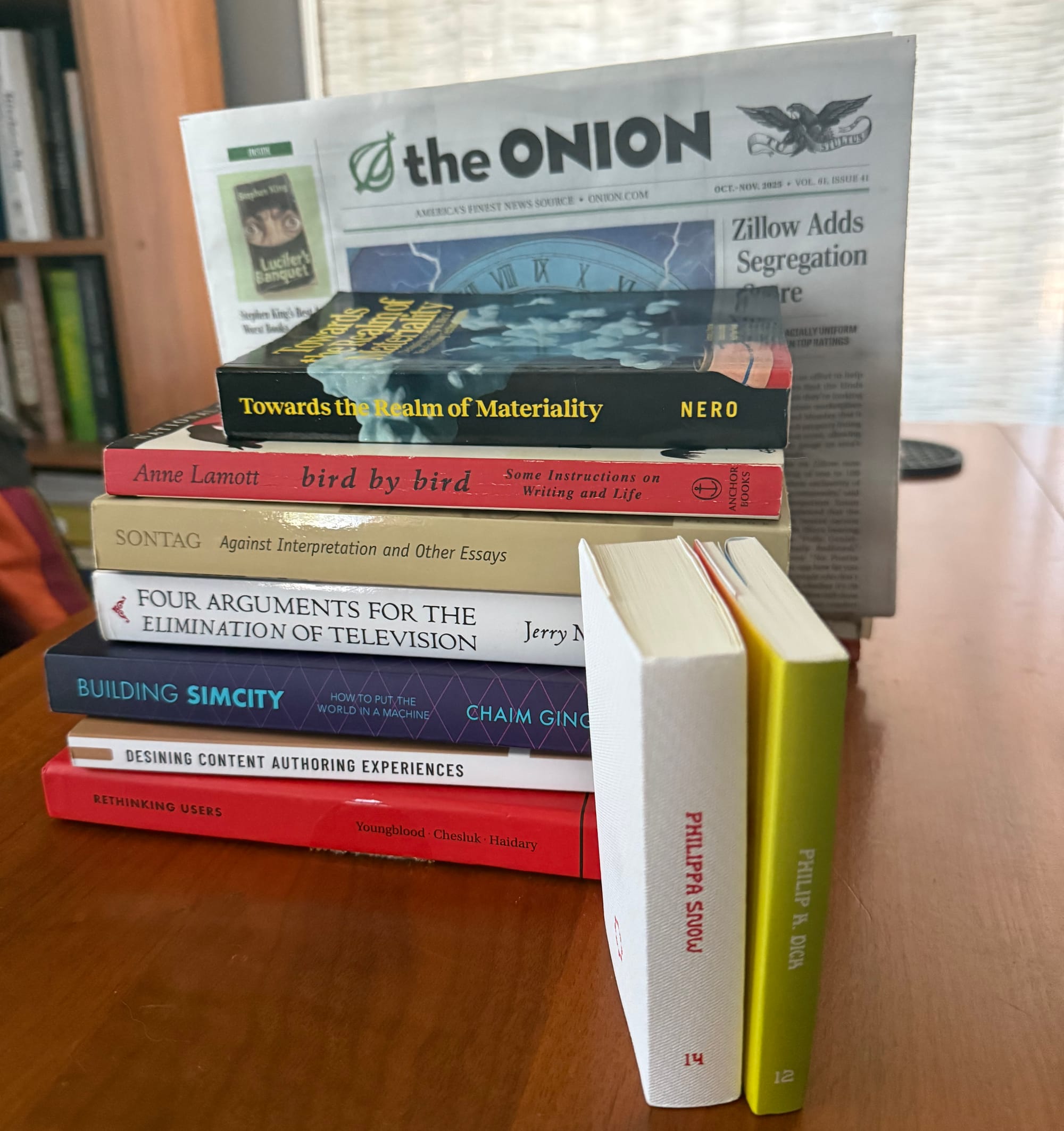
Welcome to The Content Technologist's first-ever holiday gift guide! I've never published a gift guide before because I am notoriously terrible at even considering holiday gifts before December 20. Most seasons, I wind up aimless in a bookstore or record store, so this is for my like-minded present procrastinators to find something more offbeat without much effort.
I'm also keenly aware of the effects U.S. tariffs and inflation have had on publishers, artisans, and small business owners. If you're in a place to give, please consider supporting indie publishers and ordering direct or through a platform like Bookshop.org... rather than supporting the crushing behemoth of Amazon. Treat yourself, a friend, or a colleague to something printed that will help them remember we don't live in a slop world, no matter how much pundits want you to think otherwise.
I am not making commission on any of the below and am only trying to get cool books into the hands of cool people.
A subscription to The Onion: For the anxious middle-aged friend who is very upset at the current political situation
Sometimes, when the world feels a bit hopeless, there's nothing we can do but laugh. In conversations with friends, I've already sold a few memberships to Ben Collins' reboot of The Onion this year. It's silly and political and weirdly thick for a 2025 print product, like how alt weeklies used to be thick. Every page guarantees a lol, as we said in the olde language.
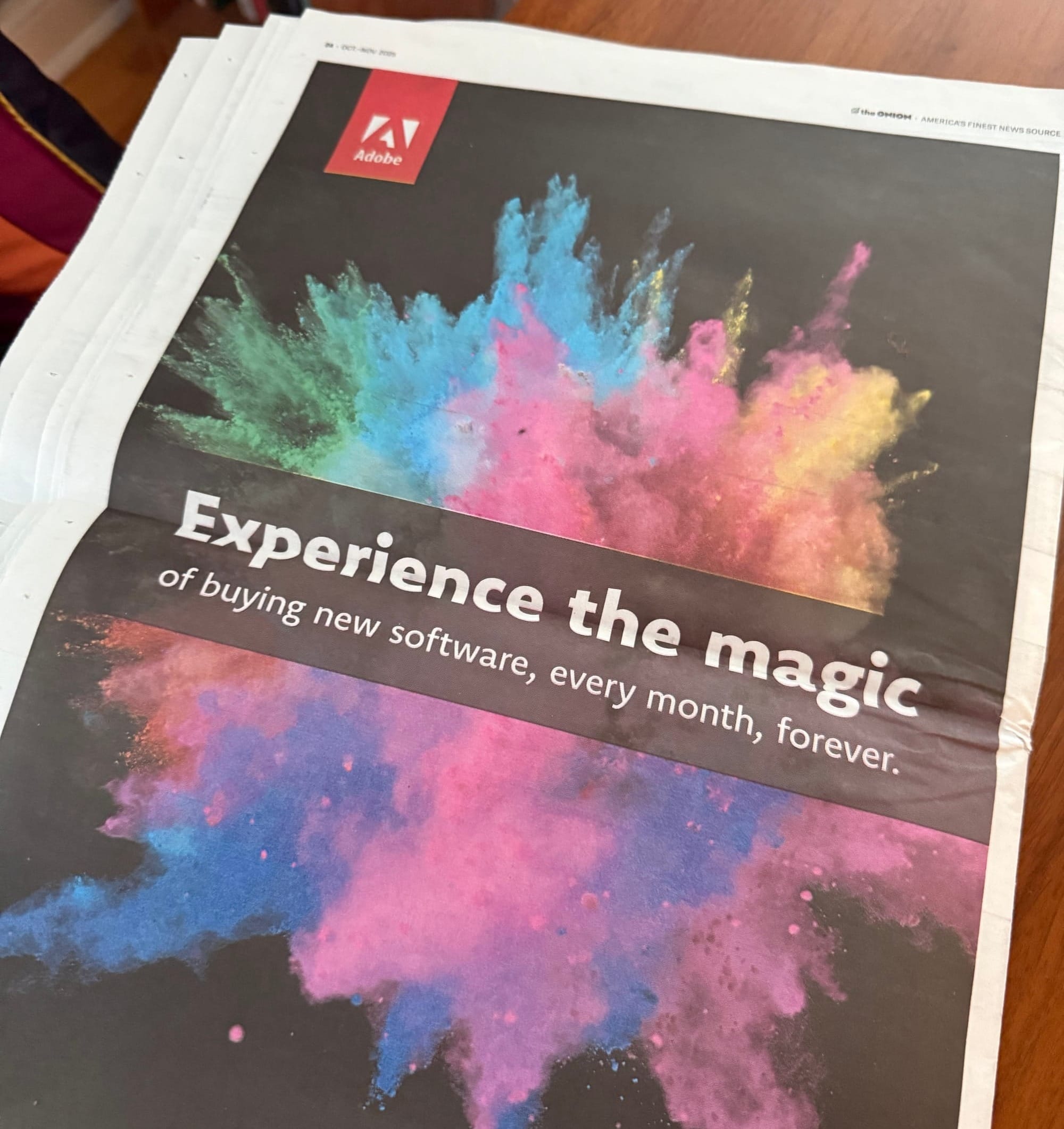
A year-long membership to The Onion is $99, which is about 75% less than the cost of Meta's Ray-Bans, and will help you see much more clearly.
A subscription to Isolarii: For the commuting cultural critic
Isolarii is a small press with no apparent country, publishing tiny bimonthly books so small they fit into a pocket and get a bit lost in my purse. Their global-digital editorial perspective raises the bar for relevant content, and an issue is only $15 every two months and ships globally. The current offering, a German work in translation called Motherdying, doesn't particularly scream "Holiday Cheer," but I assure you, everyone you know who embodies the word "pretentious" will love it.
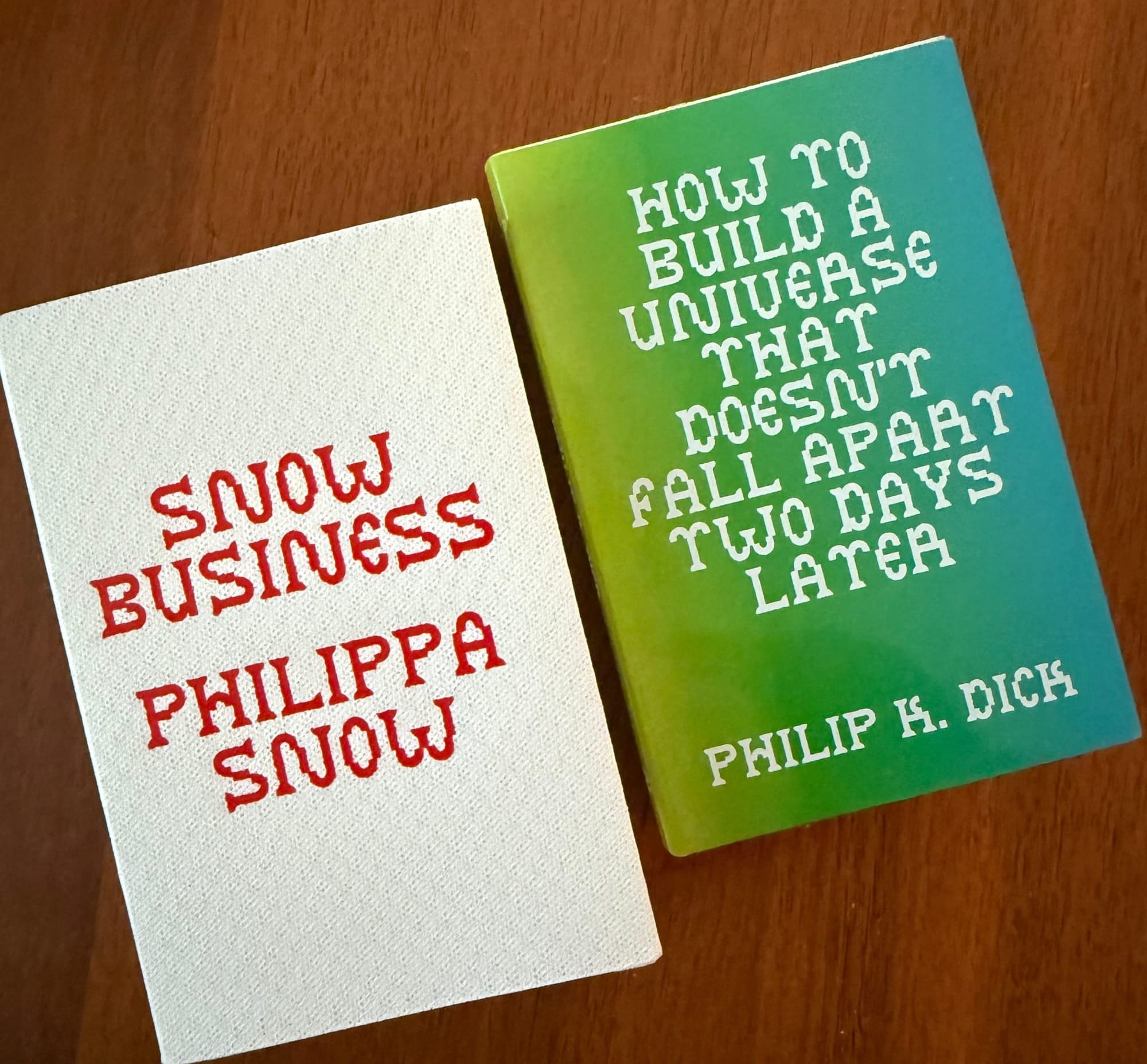
The only drawback: If you've crossed the far-sighted bridge, don't forget to bring your readers. These books are twee-level tiny.
Towards the End of Materiality: For the pragmatic sci-fi fan
It's not a challenge to think that, in 2025's late capitalist tech dystopia, we're stuck in a Philip K. Dick novel: the dude died way too young trying to meet the 1970s' pulp sci-fi market's insatiable need for newly imagined dire futures. Sometimes it feels like the billionaires in charge don't have much imagination beyond Dick's initial ideas.
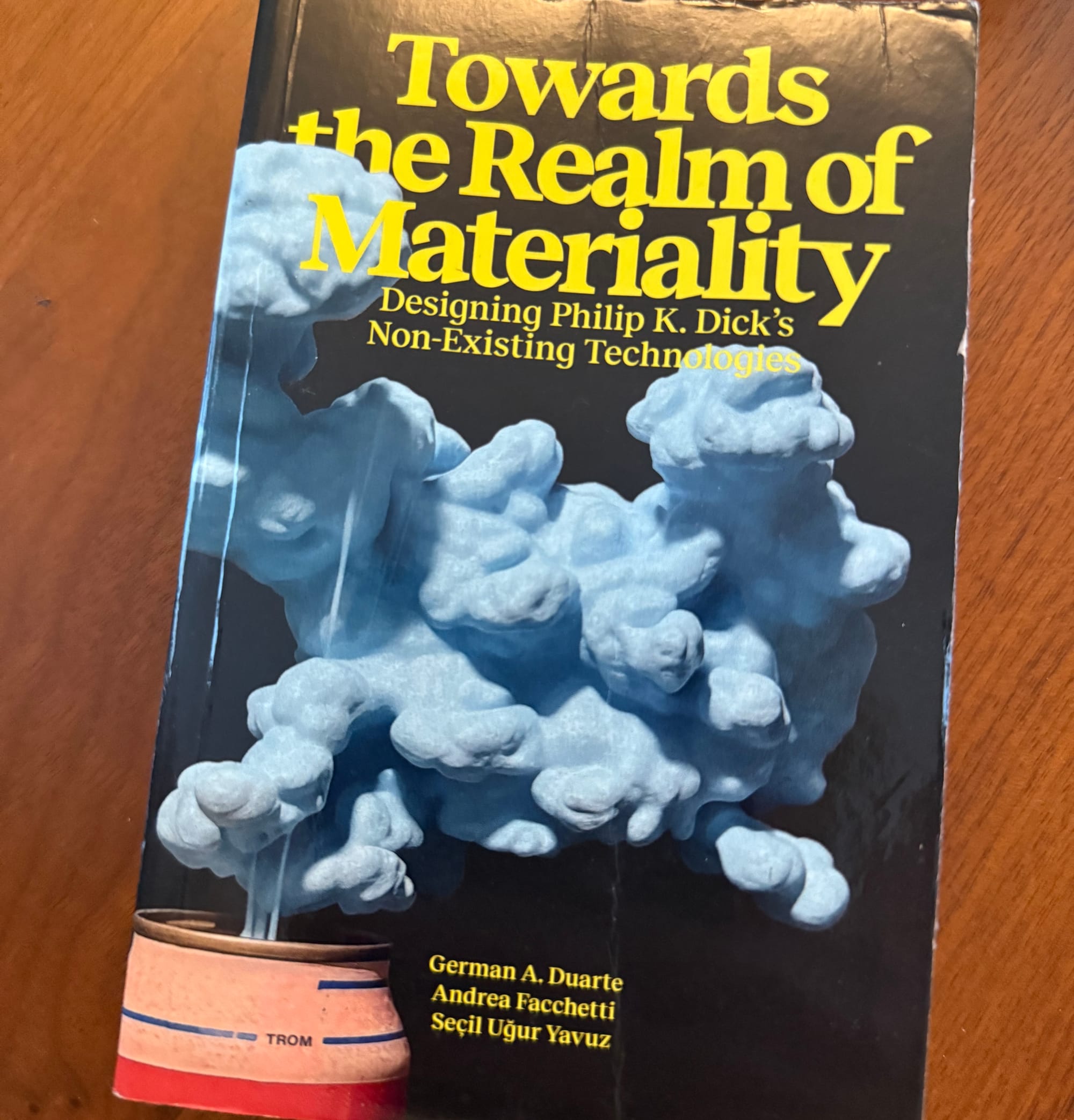
I spotted Towards the End of Materiality: Designing Philip K. Dick's Non-Existing Technologies in Mast Books in the East Village early this year and immediately flagged it as a print nerd's perfect read. It's filled with full-bleed illustrations, gorgeous typography, and all in a mass-market-sized paperback. The essays are interdisciplinary and multicultural, combining literary/cinematic criticism with UX research (!), tech history, and plain old physics that consider the reality of Phil Dick's imagination. (My favorite takeaway: As iconic as Tom Cruise swiping floating UIs remains, a wealth of research indicates that people don't actually like or want to use the in-air screens visualized in Spielberg's Minority Report.)
Bird by Bird: For the actively building strategist or creator
Ten years ago, I spoke at Confab (RIP) in Minneapolis, and as a speaker gift, we received a copy of Bird by Bird from the headlining keynote, Ann Lamott. At the time, I didn't fully understand Bird by Bird's relevance to my career, although it helped me as a writer.
This fall I kicked off work on a large, complex content strategy project, and Brain Traffic's motivation for selecting Lamott as a keynote became clear: When content strategy becomes daunting, you take it bird by bird.
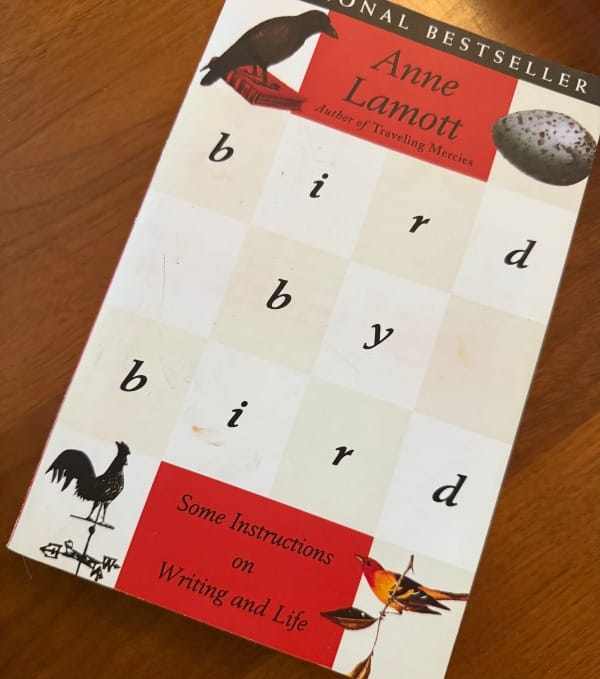
Evidently this book was mentioned in Ted Lasso, if you could tolerate watching it all the way through, which I couldn't. My tolerance for earnestness stops at Anne Lamott, I think.
Four Arguments for the Elimination of Television: For the person who thinks we should eliminate AI
History dorks always want to put things into perspective. "This has happened before! This is not new!" we all say. However, some types of "this is not new!" are more relevant than others. Rather than believing the guy who wants society to magically warp back 500 years to skirt intellectual property law, or the guy who is still talking about The Fourth Turning, dive into something a little more relevant: a consideration of media through the lens of behavior of 20th century advertising.
The incomparably named Jerry Mander was a Mad Men–era ad exec who thought tv was turning everyone's brains into mush. The book is equal parts "We're all trying to find the guy who did this" and strikingly prescient critique. Does every argument in this book resemble the current arguments for and against AI? No! But many of them do! It's all been done before, and yet we do it again.
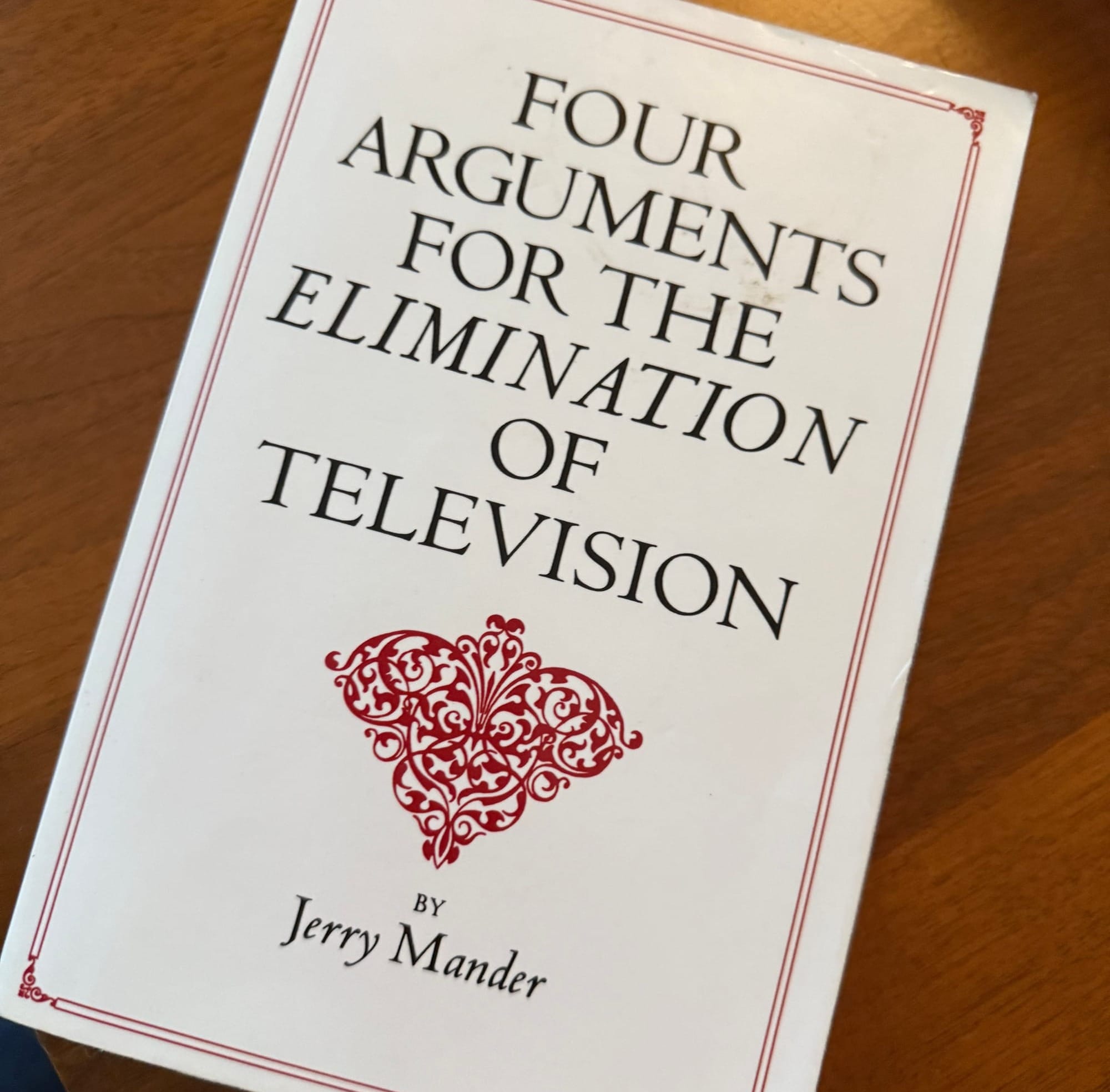
Does every argument in this book resemble the current arguments to eliminate the internet/social media/AI? No! But many of them do! It's all been done before, and yet we do it again. This is on my permanent recommendation list, but based on discourse in 2025, it's a good one to revisit.
Against Interpretation: For the AI philosopher with a Classics sweet tooth
If you are the kind of person who thinks of tech products as texts, you'll have a field day with the full context of sentences like this:
By interpretation, I mean here a conscious act of the mind which illustrates a certain code, certain “rules” of interpretation.
Sontag's essay grounds the act of "coding" content in ancient history, if you're into that sort of thing. Throughout 2025, I've read the free PDF of the titular essay almost as much as I have read the free PDF of Walter Lippman's Public Opinion.

If you know some AI hypers who could use some ideological breadth, give 'em Sontag. If someone can't stop talking about Walter Benjamin or Marshall McLuhan, give 'em Sontag. She's plenty problematic for a heady digression.
Building SimCity: For the inveterate Simmer or anyone who insists they are part of the Oregon Trail Generation
I already recommended this back in April, and I will recommend it forever. If you're endlessly fascinated by The Sims and the mechanics of video game characters, Building SimCity feels like taking apart the machine and analyzing each little delightful part without having to learn advanced mathematics.
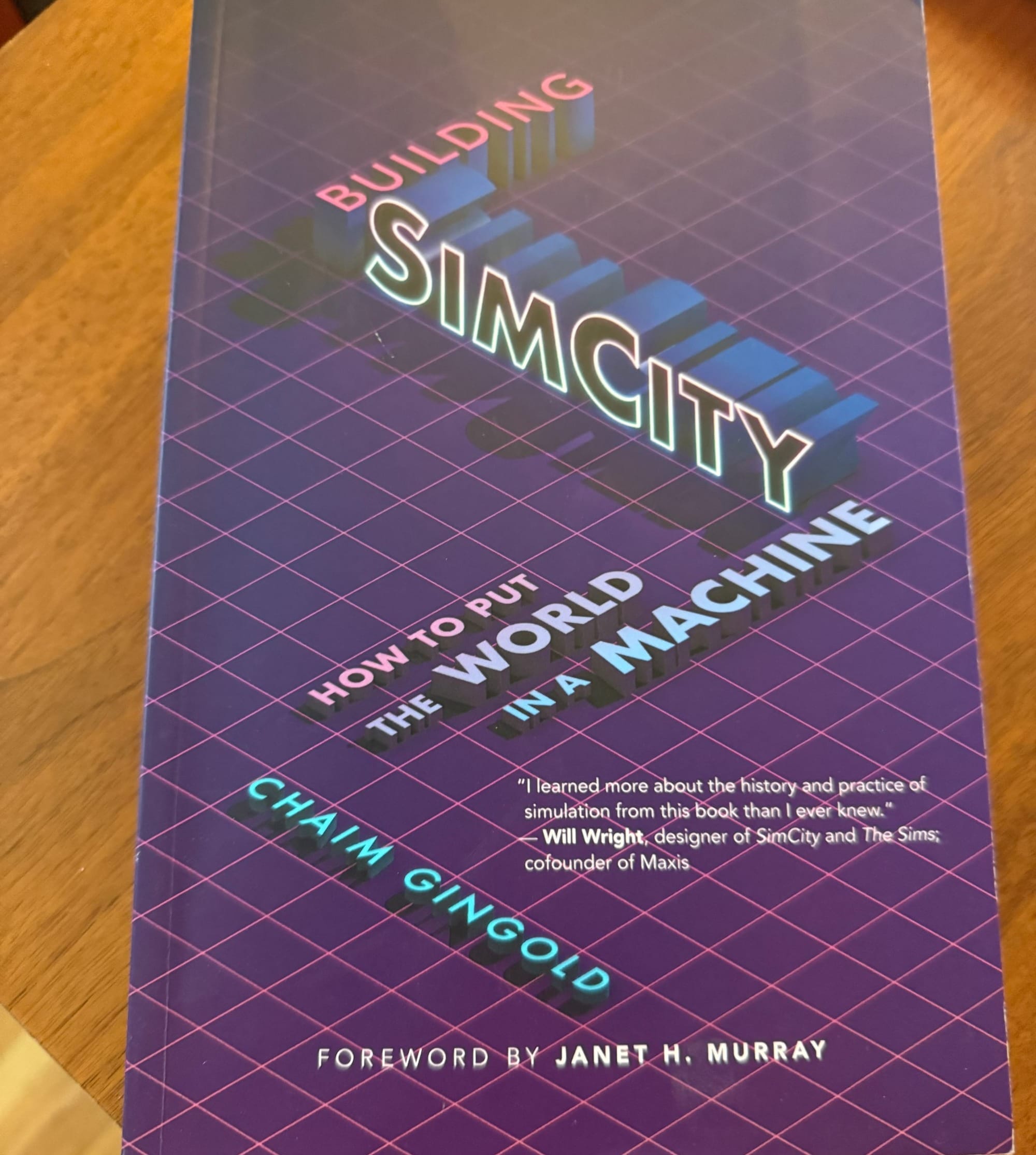
It's also great for urban planners, project managers, tech entrepreneurs, passionate gamers, and city people of all stripes, and although academic, it's not too dense for casual reading.
Designing Content Authoring Experiences: For the information architects and content ops leads
Let me guess: you don't like your CMS, and no one else does either. Did you ever wish you could learn the principles behind designing a CMS so it's easier for your team to use? If you're looking to skill up for the AI era or support someone else's efforts, I can't recommend Greg Dunlap's book highly enough. Let's not type the same exact text into 50 different fields in your CMS! Let's make taxonomies and ontologies more useful in practice!
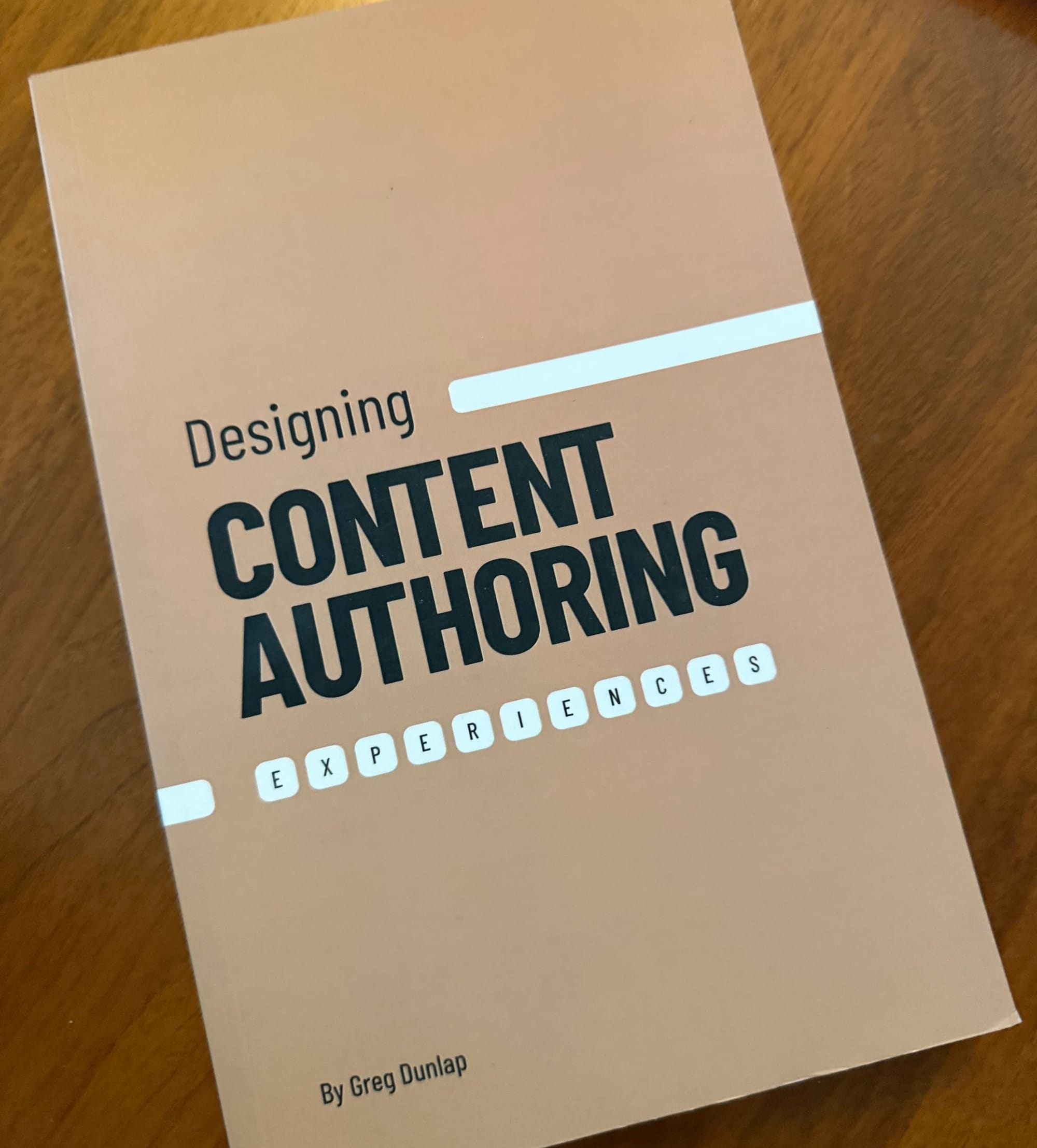
Let's not type the same exact text into 50 different fields in your CMS! Let's make taxonomies and ontologies more useful in practice! Let's seize the means of production!
Rethinking Users: For the colleague who complains about the word "users"
This book and card set is a few years old, but it's helped me immensely in planning and strategizing aforementioned content project. If you're trying to get teams to think more scientifically than ICPs and marketing personas but don't have the budget for a full-blown from-scratch user experience study, I suggest a workshop with this book-and-card set. Rethinking Users centers digital habits in behavioral research, not demographic stereotypes. It's a few years old, but it's helped me immensely in planning and strategizing aforementioned daunting content project.
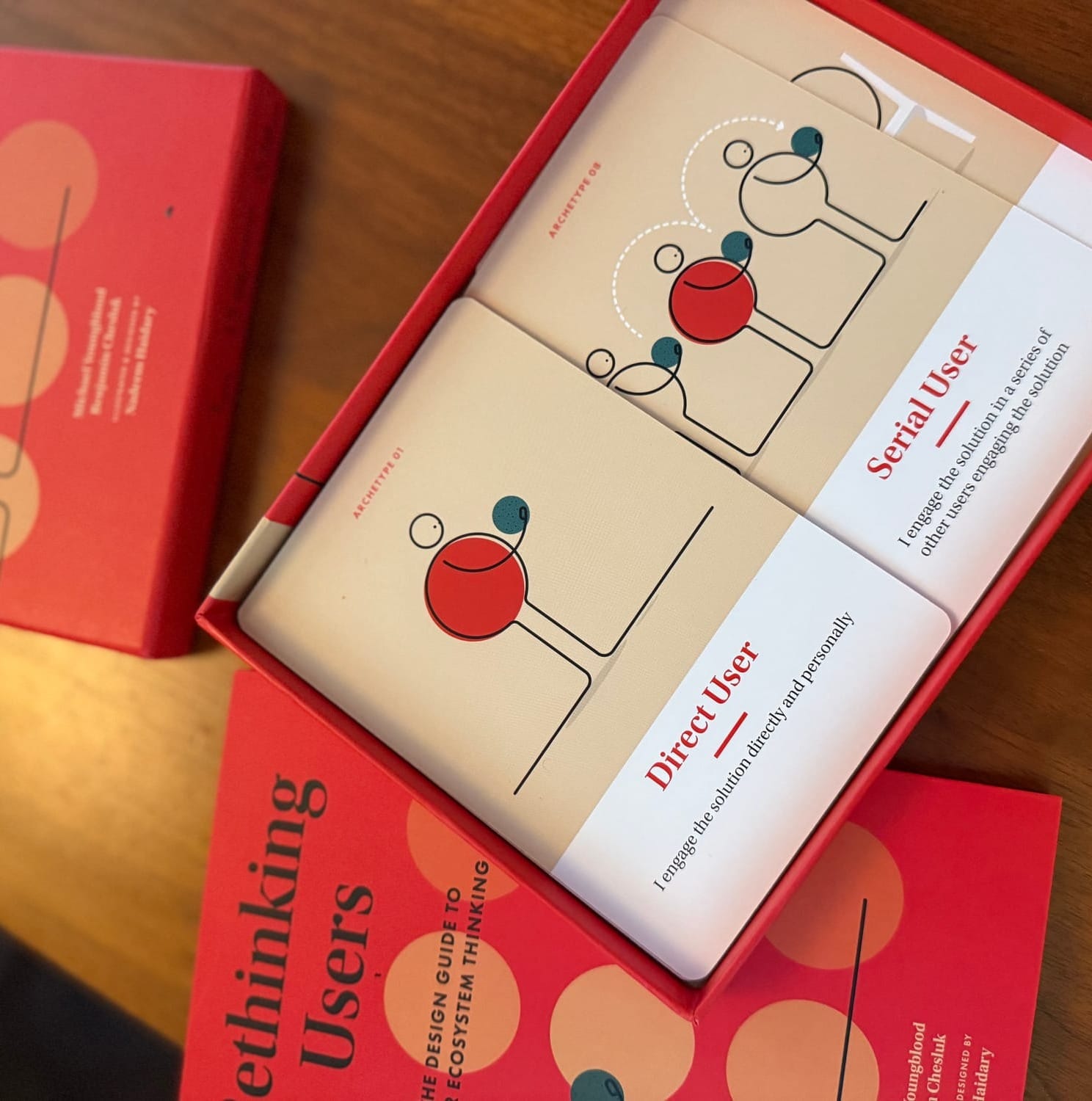
It's like an enneagram for user behaviors! You'll find yourself sifting through the cards and choosing which are your behaviors and which are completely alien to you. The kit packs a lot into a small package, and you can pick it up and learn it in a couple of days. It's great for teams wrestling to understand their users, but don't want to rely on analytics alone.
Rust Belt Review: For fans of the Bechdel test and Love and Rockets
Although it's not related to the content of this newsletter at all, indie comics are less nerdy and probably a better gift. My friend Sean Knickerbocker's anthology is gorgeously printed, outrageously cool, and an absolute steal. It won an Ignatz Award and features some of the most talented indie cartoonists working today.
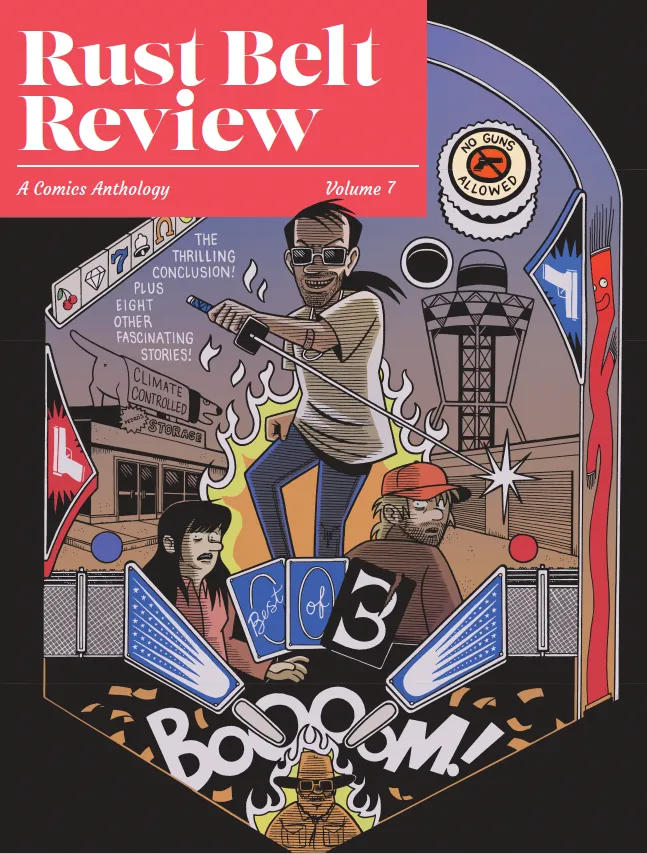
These folks draw with pen and ink!
Experience some art or some science or some history: For all your friends who don't read
Live events and cultural outings have never quite bounced back from the pandemic. And if you're in the U.S., museums and cultural institutions are not in a great place after the loss of federal funding. If someone you love prefers experiences to commodities (fair!), take them to a museum or to a reading or to the theater. Let's keep alive holiday traditions that involve engaging with culture in public (you can always wear a mask)!
The Content Technologist is a newsletter and consultancy based in Minneapolis, working with clients and collaborators around the world. The entire newsletter is written and edited by Deborah Carver, an independent content strategy consultant.
Affiliate referrals: Ghost publishing system | Bonsai contract/invoicing | | Writer AI Writing Assistant
Cultural recommendations / personal social: Spotify | Instagram | Letterboxd | PI.FYI
